Duct Cleaning Guide: Why Clean Air Ducts Matter for a Healthier Home

Take a deep breath inside your home and think about the air you are breathing. It feels clean and comfortable, but much of that air travels through a hidden network of ducts before reaching each room. Over time these ducts can collect dust, debris, allergens, and other particles that circulate throughout the home every time the heating or cooling system runs. While they are out of sight, air ducts play a critical role in maintaining indoor air quality. Duct Cleaning Salt Lake City helps remove built up contaminants and supports a cleaner and healthier living environment.

Understanding the Role of Air Ducts in Your Home
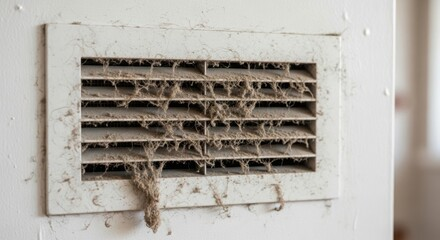
Duct Cleaning

Air ducts are an essential part of heating and cooling systems. They are responsible for carrying warm or cool air from the central system to different rooms throughout the house. This network of ducts ensures that indoor temperatures remain comfortable and consistent.

As air moves through the system, it also carries small particles that exist within the home. Dust from furniture, pet dander, pollen from outside, and even tiny fabric fibers can enter the ductwork. Over time these materials may settle inside the ducts.

When the system operates, these particles may be pushed back into the air circulating through the home. This can affect indoor air quality and may cause dust to accumulate on surfaces more quickly.

Duct cleaning focuses on removing these contaminants from the ventilation system. By clearing out built up debris, the airflow becomes cleaner and the system can operate more efficiently.

Understanding how air ducts function helps homeowners recognize why maintaining them is important for the comfort and cleanliness of their living space.

Why Duct Cleaning Is Important for Indoor Air Quality

Indoor air quality is one of the primary reasons homeowners consider duct cleaning. People spend a significant amount of time indoors, especially at home, which makes the quality of the air inside the house very important.

Dust and allergens that accumulate in air ducts may circulate repeatedly through the ventilation system. Individuals who suffer from allergies or respiratory sensitivities may notice increased discomfort when airborne particles are present.

Duct cleaning helps remove accumulated contaminants that may contribute to poor air quality. By eliminating dust, pollen, and other particles from the duct system, the air circulating throughout the home becomes cleaner.

Clean ducts can also help reduce odors within the home. Over time particles such as pet hair, cooking residues, and moisture may settle in the duct system. These materials can produce lingering smells that spread through the air vents.

Maintaining clean ductwork supports a healthier indoor environment and helps homeowners feel more confident about the air they breathe each day.

Common Signs That Duct Cleaning May Be Needed

Because air ducts are hidden behind walls and ceilings, it can be difficult to determine when cleaning is necessary. However, there are several signs that may indicate the need for duct maintenance.

One common sign is an increase in dust around the home. If surfaces such as furniture and shelves become dusty shortly after cleaning, the duct system may be circulating accumulated debris.

Another indicator is uneven airflow throughout the house. Dust buildup inside ducts may partially block airflow, making it harder for heated or cooled air to reach certain rooms.

Unpleasant odors coming from air vents may also signal the presence of contaminants in the duct system. These smells can result from dust, moisture, or organic materials trapped inside the ductwork.

Allergy symptoms may also increase when indoor air contains excessive particles. Sneezing, coughing, or irritation may become more noticeable when the heating or cooling system is running.

These signs do not always guarantee that duct cleaning is necessary, but they often suggest that an inspection of the ventilation system may be helpful.

The Duct Cleaning Process

Professional duct cleaning involves several steps designed to remove dust and debris from the entire ventilation system. The process typically begins with a thorough inspection of the ducts and system components.

During the inspection technicians examine the ductwork to identify areas where dust and contaminants have accumulated. This step helps determine the extent of cleaning required.

Once the inspection is complete, specialized equipment is used to loosen debris inside the ducts. Powerful suction devices then remove the loosened particles from the system. This process ensures that contaminants are extracted rather than simply pushed further through the ducts.

Technicians may also clean other components connected to the duct system, such as vents, registers, and certain parts of the heating and cooling unit. Cleaning these areas helps ensure that the entire airflow pathway is free of buildup.

After the cleaning process is finished, the system is tested to confirm that airflow is functioning properly. This final step ensures that the ducts are clear and ready to circulate clean air throughout the home.

How Duct Cleaning Supports HVAC Efficiency

A heating and cooling system works hardest when airflow is restricted. Dust and debris that accumulate inside air ducts may create partial blockages that make it more difficult for air to travel through the system.

When airflow becomes restricted, the system may need to run longer to maintain comfortable indoor temperatures. This additional workload can place extra strain on the equipment.

Duct cleaning helps remove these obstructions and allows air to move more freely through the system. Improved airflow can help the heating and cooling unit operate more efficiently.

Efficient airflow may also contribute to more consistent temperature distribution throughout the home. Rooms that previously felt warmer or cooler than others may become more balanced once the duct system is clear.

By supporting proper airflow, duct cleaning can help extend the lifespan of heating and cooling equipment while maintaining comfort indoors.

Preventing Future Dust Buildup in Air Ducts

While duct cleaning removes existing debris, ongoing maintenance can help reduce future buildup. One of the most effective methods is regularly replacing or cleaning air filters.

Air filters capture dust and particles before they enter the duct system. When filters become clogged, they lose their ability to trap contaminants effectively. Replacing filters according to manufacturer recommendations helps maintain clean airflow.

Keeping the home clean also helps reduce the amount of dust entering the ventilation system. Regular vacuuming and dusting prevent particles from accumulating in living areas.

Maintaining proper humidity levels inside the home can also help protect the duct system. Excess moisture may allow mold or mildew to develop within ducts, so managing indoor humidity is important.

Periodic inspections of the heating and cooling system ensure that ducts remain in good condition. Detecting issues early allows homeowners to address problems before they become more significant.

These preventative practices support cleaner air circulation and reduce the need for frequent duct cleaning.

The Benefits of Professional Duct Cleaning

Professional duct cleaning offers several advantages compared to attempting to clean ducts without specialized equipment. Trained technicians have the tools needed to reach deep inside the ventilation system.

Advanced cleaning equipment allows professionals to remove contaminants that may be difficult to access with household tools. This ensures that dust and debris are completely removed from the ducts.

Professional cleaning also helps prevent damage to the duct system. Experienced technicians understand how to handle duct materials safely and avoid disrupting connections or seals.

Another benefit is the ability to identify potential issues during the cleaning process. Technicians may notice signs of damage, leaks, or airflow problems that require attention.

By addressing these issues early, homeowners can prevent larger problems that may affect the performance of the heating and cooling system.

Conclusion: Why Duct Cleaning Matters for a Healthier Home

Duct cleaning plays an important role in maintaining indoor air quality and supporting the efficiency of heating and cooling systems. Although air ducts are often hidden from view, they serve as the pathways that deliver air to every room in the home.

Over time dust, allergens, and debris can accumulate inside these ducts, potentially affecting airflow and air quality. Removing these contaminants helps create a cleaner environment and allows the ventilation system to operate more effectively.

Through regular maintenance, proper filtration, and periodic professional cleaning, homeowners can ensure that their duct systems remain in good condition. Clean ducts contribute to a healthier home, improved comfort, and greater peace of mind for everyone who lives there.
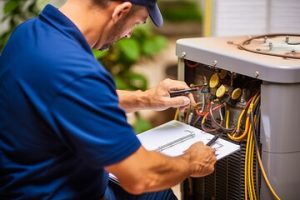
How Air Conditioning Works

Cincinnati Air Conditioning has become a fixture of modern life. Yet, many people have little idea how it works or how it benefits them.

Air conditioners not only regulate temperatures, but also humidity levels, preventing the onset of mould growth and protecting furniture from water damage. They can also improve mood and foster productivity, helping occupants to live happier, healthier lives.

airconditioning

As the name suggests, air conditioners cool the interior of a home or building. They have two main components: a compressor and a condenser coil. A special chemical called refrigerant loops through both of these components, absorbing and dumping heat. The blower in an air conditioning system pushes warm indoor air across the evaporator coil,s where it is cooled. Refrigerant turns from a cold liquid to a hot vapor as it absorbs the heat. This cooled air is then blown outside via the condenser coils. As the refrigerant dumps its heat, it changes back to a cold liquid, and the cycle repeats itself over again.

The first air conditioners were actually not cooling systems but rather humidity control machines. Textile mills needed to add moisture to the air to help with humidity in order to get consistent paper dimensions and ink alignment for production purposes. In 1906, Stuart W. Cramer coined the term ‘air conditioning’ for a process that combined water and ventilation to actually condition the air by controlling temperature and humidity. Willis Carrier later improved on this technology and built the first modern air conditioning unit in 1907.

Modern air conditioners come in a wide range of sizes and types. Some are designed to cool entire homes, others, like ductless mini-splits, use individual air handlers installed in the walls or ceiling that are connected to an outdoor unit to provide zoned cooling throughout a home. Window and portable air conditioners are also popular options for spaces that don’t require a ducted cooling solution.

The majority of air conditioners are powered by an electric motor to drive the compressor instead of a gasoline engine. This makes the unit much more energy efficient than those that rely on gasoline, reducing operating costs over time. It is important to maintain your air conditioner as it needs regular inspections and maintenance from qualified technicians in order to stay in optimal working condition.

How Does an Air Conditioner Work?

An air conditioner moves heat from inside your home or office to outside using a refrigerant system. It’s basically a refrigeration cycle that relies on three separate gas laws: Boyle’s Law, Charles’ Law, and Gay-Lussac’s Law. These three laws combine to say that when the pressure of a gas increases, so too will its temperature. Your AC uses a compressor to increase refrigerant pressure and a metering device to lower it to move heat from your indoor spaces.

Central air conditioning systems have two key components: the ‘indoor’ unit and the ‘outdoor’ unit. When you turn your AC on, it tells the ‘outdoor’ unit to come on. It does so by sending a signal through a copper tube to a ‘compressor’. The compressor is like a pump that forces refrigerant through a tiny nozzle into a coil. The coil looks a lot like a car radiator, and it absorbs the heat from your house’s air. The air is cooled by the refrigerant as it flows over the coil, and a fan blows that cooled air into your house.

When the ‘indoor’ unit senses that it has enough cool air, it signals the thermostat to shut off. The thermostat is how you set the temperature you want in your house, and it controls when the air conditioner turns on and off. The basic way a thermostat controls an air conditioning system is by adjusting its temperature sensors to match the temperature you want in your house or office.

The ‘outdoor’ unit also contains a condenser coil that releases the heat it has absorbed into the outdoor air. That’s where the hot, sticky feeling you sometimes get when walking by an outdoor air conditioner comes from.

What Type of Air Conditioner Should I Get?

Air conditioning systems are available in a wide variety of models and configurations. To determine which unit is best for you, consider a few factors such as cooling capabilities, energy efficiency ratings, and price.

For instance, consider how much space you want to cool. The capacity of an AC is usually measured in British Thermal Units per hour (BTU/hr) or, for a more long-term view, in tons. A ton represents the ability of a system to strip away 12,000 BTUs of heat from a room in an hour, so it is important to choose a unit with a cooling capacity that matches your specific needs.

Window air conditioners are cheap, easy to install, and provide effective cooling for small spaces. However, they can be a safety hazard and are limited in the number of rooms they can cool. Portable air conditioners are similar to window units but offer better performance and fewer hazards. They can be taken with you if you move to another location or need temporary cooling.

For larger spaces, look into a ductless mini-split system that can be used in multiple rooms. They can be more efficient and cost-effective than central air systems. They are available with high SEER ratings that can save you thousands of dollars over time on your utility bills, making them a great investment. If you live in an area with extreme winter weather, consider a heat pump air conditioner that can also help with heating. They provide both cooling and heating capabilities, so you’ll never have to worry about a cold home again. The right choice will ensure that your family stays comfortable in any environment.

How Much Does an Air Conditioner Cost?

There’s a lot to think about when it comes to replacing your air conditioner. On the one hand, you’ll want to invest in a quality brand and high-efficiency unit that will save you money on energy bills in the long run. On the other hand, you don’t want to buy an AC that’s so expensive that it makes your household budget unmanageable.

The cost of your new air conditioning depends on several factors, including the size of your home and installation costs. A ductless system or hybrid AC is usually the most affordable, while a packaged unit will be more expensive but can offer significant energy savings.

Other factors that impact AC prices include the BTU capacity and efficiency level. The bigger the air conditioner is, the more heat it can remove from your home. The more efficient it is, the higher the SEER (Seasonal Energy Efficiency Ratio) rating.

A quality contractor will also affect the price of your air conditioner. You want to hire someone who is licensed, bonded, and insured, as well as highly recommended by previous customers. Additionally, they should have a professional building and be able to answer your questions quickly.

If you’re on a tight budget, an entry-level AC will likely cost the least, with prices ranging from $4,350 to $8,000. These systems offer single-stage cooling and can cool most 2,000 sq ft homes effectively. A mid-range AC offers two-stage cooling and will be more comfortable, but it’ll be more expensive than an entry-level model. If you’re planning to own your home for the long-term, a high-end AC may be worth the investment. The extra money you’ll spend upfront will pay for itself in energy savings in the years to come.

How Do I Get an Air Conditioner Installed?

For most homeowners, adding or replacing air conditioning is a major investment. However, a well-designed system provides countless benefits, including daily comfort, improved health, productivity, and increased home value. During the installation process, it’s important to plan and allow plenty of time for the job. Depending on whether you’re installing a new or replacing an existing AC system, expect the entire process to take a day or more.

For example, it’s important to plan and remove any furniture or other decor that could get in the way of the technicians during the AC installation. Additionally, it’s recommended that you prepare the area where the air conditioner will be placed by removing any plants or other items on or near the window opening. This will ensure that the window is left clear for ventilation. Moreover, it will prevent your plants and decorations from being damaged by the incoming and outgoing air flow.

If you live in an apartment or condo, make sure that you speak with your landlord or co-op board about specific policy requirements. For example, some buildings require that the ac unit be anchored to the floor or installed inside a window that doesn’t open when the door is opened.

Another important consideration is air conditioner efficiency. A system with a higher SEER rating typically costs more upfront but will save you money on your yearly energy bills. It’s also recommended that you speak with an HVAC expert to help determine which system is right for your home. An improperly sized air conditioner will cycle on and off frequently, which can wear down the components faster than necessary and leave you with an uncomfortable home.