Duct Cleaning Guide: Why Clean Air Ducts Matter for a Healthier Home

Take a deep breath inside your home and think about the air you are breathing. It feels clean and comfortable, but much of that air travels through a hidden network of ducts before reaching each room. Over time these ducts can collect dust, debris, allergens, and other particles that circulate throughout the home every time the heating or cooling system runs. While they are out of sight, air ducts play a critical role in maintaining indoor air quality. Duct Cleaning Salt Lake City helps remove built up contaminants and supports a cleaner and healthier living environment.

Understanding the Role of Air Ducts in Your Home
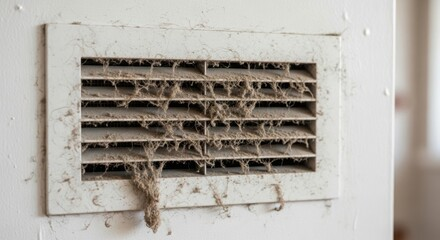
Duct Cleaning

Air ducts are an essential part of heating and cooling systems. They are responsible for carrying warm or cool air from the central system to different rooms throughout the house. This network of ducts ensures that indoor temperatures remain comfortable and consistent.

As air moves through the system, it also carries small particles that exist within the home. Dust from furniture, pet dander, pollen from outside, and even tiny fabric fibers can enter the ductwork. Over time these materials may settle inside the ducts.

When the system operates, these particles may be pushed back into the air circulating through the home. This can affect indoor air quality and may cause dust to accumulate on surfaces more quickly.

Duct cleaning focuses on removing these contaminants from the ventilation system. By clearing out built up debris, the airflow becomes cleaner and the system can operate more efficiently.

Understanding how air ducts function helps homeowners recognize why maintaining them is important for the comfort and cleanliness of their living space.

Why Duct Cleaning Is Important for Indoor Air Quality

Indoor air quality is one of the primary reasons homeowners consider duct cleaning. People spend a significant amount of time indoors, especially at home, which makes the quality of the air inside the house very important.

Dust and allergens that accumulate in air ducts may circulate repeatedly through the ventilation system. Individuals who suffer from allergies or respiratory sensitivities may notice increased discomfort when airborne particles are present.

Duct cleaning helps remove accumulated contaminants that may contribute to poor air quality. By eliminating dust, pollen, and other particles from the duct system, the air circulating throughout the home becomes cleaner.

Clean ducts can also help reduce odors within the home. Over time particles such as pet hair, cooking residues, and moisture may settle in the duct system. These materials can produce lingering smells that spread through the air vents.

Maintaining clean ductwork supports a healthier indoor environment and helps homeowners feel more confident about the air they breathe each day.

Common Signs That Duct Cleaning May Be Needed

Because air ducts are hidden behind walls and ceilings, it can be difficult to determine when cleaning is necessary. However, there are several signs that may indicate the need for duct maintenance.

One common sign is an increase in dust around the home. If surfaces such as furniture and shelves become dusty shortly after cleaning, the duct system may be circulating accumulated debris.

Another indicator is uneven airflow throughout the house. Dust buildup inside ducts may partially block airflow, making it harder for heated or cooled air to reach certain rooms.

Unpleasant odors coming from air vents may also signal the presence of contaminants in the duct system. These smells can result from dust, moisture, or organic materials trapped inside the ductwork.

Allergy symptoms may also increase when indoor air contains excessive particles. Sneezing, coughing, or irritation may become more noticeable when the heating or cooling system is running.

These signs do not always guarantee that duct cleaning is necessary, but they often suggest that an inspection of the ventilation system may be helpful.

The Duct Cleaning Process

Professional duct cleaning involves several steps designed to remove dust and debris from the entire ventilation system. The process typically begins with a thorough inspection of the ducts and system components.

During the inspection technicians examine the ductwork to identify areas where dust and contaminants have accumulated. This step helps determine the extent of cleaning required.

Once the inspection is complete, specialized equipment is used to loosen debris inside the ducts. Powerful suction devices then remove the loosened particles from the system. This process ensures that contaminants are extracted rather than simply pushed further through the ducts.

Technicians may also clean other components connected to the duct system, such as vents, registers, and certain parts of the heating and cooling unit. Cleaning these areas helps ensure that the entire airflow pathway is free of buildup.

After the cleaning process is finished, the system is tested to confirm that airflow is functioning properly. This final step ensures that the ducts are clear and ready to circulate clean air throughout the home.

How Duct Cleaning Supports HVAC Efficiency

A heating and cooling system works hardest when airflow is restricted. Dust and debris that accumulate inside air ducts may create partial blockages that make it more difficult for air to travel through the system.

When airflow becomes restricted, the system may need to run longer to maintain comfortable indoor temperatures. This additional workload can place extra strain on the equipment.

Duct cleaning helps remove these obstructions and allows air to move more freely through the system. Improved airflow can help the heating and cooling unit operate more efficiently.

Efficient airflow may also contribute to more consistent temperature distribution throughout the home. Rooms that previously felt warmer or cooler than others may become more balanced once the duct system is clear.

By supporting proper airflow, duct cleaning can help extend the lifespan of heating and cooling equipment while maintaining comfort indoors.

Preventing Future Dust Buildup in Air Ducts

While duct cleaning removes existing debris, ongoing maintenance can help reduce future buildup. One of the most effective methods is regularly replacing or cleaning air filters.

Air filters capture dust and particles before they enter the duct system. When filters become clogged, they lose their ability to trap contaminants effectively. Replacing filters according to manufacturer recommendations helps maintain clean airflow.

Keeping the home clean also helps reduce the amount of dust entering the ventilation system. Regular vacuuming and dusting prevent particles from accumulating in living areas.

Maintaining proper humidity levels inside the home can also help protect the duct system. Excess moisture may allow mold or mildew to develop within ducts, so managing indoor humidity is important.

Periodic inspections of the heating and cooling system ensure that ducts remain in good condition. Detecting issues early allows homeowners to address problems before they become more significant.

These preventative practices support cleaner air circulation and reduce the need for frequent duct cleaning.

The Benefits of Professional Duct Cleaning

Professional duct cleaning offers several advantages compared to attempting to clean ducts without specialized equipment. Trained technicians have the tools needed to reach deep inside the ventilation system.

Advanced cleaning equipment allows professionals to remove contaminants that may be difficult to access with household tools. This ensures that dust and debris are completely removed from the ducts.

Professional cleaning also helps prevent damage to the duct system. Experienced technicians understand how to handle duct materials safely and avoid disrupting connections or seals.

Another benefit is the ability to identify potential issues during the cleaning process. Technicians may notice signs of damage, leaks, or airflow problems that require attention.

By addressing these issues early, homeowners can prevent larger problems that may affect the performance of the heating and cooling system.

Conclusion: Why Duct Cleaning Matters for a Healthier Home

Duct cleaning plays an important role in maintaining indoor air quality and supporting the efficiency of heating and cooling systems. Although air ducts are often hidden from view, they serve as the pathways that deliver air to every room in the home.

Over time dust, allergens, and debris can accumulate inside these ducts, potentially affecting airflow and air quality. Removing these contaminants helps create a cleaner environment and allows the ventilation system to operate more effectively.

Through regular maintenance, proper filtration, and periodic professional cleaning, homeowners can ensure that their duct systems remain in good condition. Clean ducts contribute to a healthier home, improved comfort, and greater peace of mind for everyone who lives there.

Why Hiring an Electrical Contractor is a Smart Investment for Property Owners

Electricity is the unseen force that powers virtually every aspect of modern life, from lighting and climate control to appliances, industrial machinery, and digital technology. For property owners—whether residential, commercial, or industrial—maintaining a safe, reliable, and efficient electrical system is essential. While some may attempt DIY solutions or rely on unlicensed help, the complexity and potential hazards of electrical work make hiring a professional Electrical Contractors a strategic and necessary investment.

electrical

Electrical contractors are highly trained specialists who manage the design, installation, maintenance, and repair of electrical systems. Their expertise ensures that every component, from panels and circuits to wiring and safety devices, operates in compliance with safety standards and regulations. Beyond basic installation and repair, electrical contractors provide long-term value by improving energy efficiency, preventing hazards, and supporting property upgrades. Understanding the role of an electrical contractor helps property owners appreciate why professional services are not just convenient but essential for safety, efficiency, and peace of mind.

The Role of an Electrical Contractor

An electrical contractor is more than a technician; they are problem-solvers, system designers, and safety experts. Their work spans a broad spectrum of services, which may include:

  1. Electrical System Design and Installation – Contractors plan and implement electrical systems that meet the specific power needs of a property while ensuring safety, reliability, and code compliance.
  2. Repairs and Troubleshooting – They diagnose and fix issues ranging from minor outlet faults to complex circuit failures.
  3. Upgrades and Modernization – Contractors recommend and install system improvements such as panel upgrades, energy-efficient lighting, or smart home integrations to enhance performance and reduce costs.

By handling complex electrical tasks, contractors ensure systems operate safely and efficiently, saving property owners from costly mistakes, hazards, and downtime.

Ensuring Safety Across the Property

Safety is the cornerstone of every electrical contractor’s work. Electrical systems are inherently dangerous if handled improperly. From overloaded circuits to faulty wiring, the risks include electrical fires, shocks, and property damage. Licensed contractors adhere to strict safety protocols, minimizing these risks and ensuring that all installations and repairs meet code requirements.

Contractors enhance safety through measures such as:

  • Proper Wiring and Connections – Ensuring all connections are secure and capable of handling the property’s electrical load.
  • Ground Fault Protection – Installing devices that prevent shocks in high-risk areas like kitchens, bathrooms, and outdoor spaces.
  • Circuit Protection – Correctly sizing breakers and fuses to prevent overloads and minimize fire hazards.

Homeowners and facility managers who invest in a qualified electrical contractor gain peace of mind knowing that their property’s electrical infrastructure is safe, compliant, and reliable.

Avoiding Costly Mistakes

Electrical errors can be expensive. A miswired panel, overloaded circuit, or improper installation can damage appliances, reduce energy efficiency, or necessitate costly repairs. In commercial or industrial settings, equipment failure caused by electrical faults can lead to operational downtime and revenue loss.

Hiring an electrical contractor ensures:

  1. Accurate Assessments – Contractors evaluate the current system, identify risks, and determine capacity needs before performing work.
  2. Correct Installation – All components are installed according to industry standards and manufacturer specifications.
  3. Compliance with Codes – Work meets national and local electrical codes, reducing legal liability and insurance issues.

While DIY work may appear cost-effective initially, professional intervention prevents expensive mistakes and long-term complications.

Energy Efficiency and Electrical Contractors

Modern electrical contractors offer more than just repairs and installations—they help property owners reduce energy consumption and utility bills. With rising energy costs and increased emphasis on sustainability, energy efficiency has become a key consideration in electrical projects.

Contractors improve energy efficiency through:

  • LED and Smart Lighting Solutions – Replacing outdated fixtures with LED systems integrated with motion sensors, timers, or dimmers to reduce waste.
  • High-Efficiency Panel Upgrades – Modern panels optimize power distribution, prevent energy loss, and accommodate high-demand appliances.
  • Smart Home and Building Systems – Programmable thermostats, occupancy sensors, and energy monitoring devices allow precise control over electricity use.

These energy-saving measures help property owners reduce operational costs, extend the lifespan of equipment, and create environmentally responsible properties.

Residential Electrical Services

In residential properties, electrical contractors provide a range of services that enhance safety, convenience, and efficiency. Common residential services include:

  1. Electrical System Upgrades – Modernizing panels, wiring, and outlets to handle today’s energy demands safely.
  2. Lighting and Appliance Installation – Installing energy-efficient lighting, ceiling fans, and high-demand appliances correctly.
  3. Safety Enhancements – Adding GFCIs, AFCIs, and surge protection to reduce hazards and protect equipment.
  4. Routine Maintenance – Conducting inspections to identify wear, loose connections, or code violations before they become serious problems.

Professional residential services allow homeowners to enjoy safe, reliable, and efficient electrical systems while avoiding emergency repairs and hazards.

Commercial Electrical Services

Commercial properties present more complex electrical challenges due to higher power loads, specialized equipment, and regulatory compliance requirements. Electrical contractors working in commercial settings manage:

  • System Design and Installation – Creating electrical infrastructure capable of supporting lighting, HVAC, machinery, and digital networks.
  • Emergency Power Solutions – Installing generators, UPS units, and backup circuits to prevent operational downtime during outages.
  • Energy Efficiency Improvements – Retrofitting lighting, motors, and appliances to reduce utility costs while maintaining performance.
  • Safety Compliance – Ensuring that all electrical systems meet codes and provide reliable protection for employees and customers.

Contractors in commercial settings help businesses maintain continuity, reduce energy waste, and minimize safety risks, protecting both property and operations.

Troubleshooting and Repair Expertise

Electrical problems often present subtle signs, such as flickering lights, breaker trips, or warm outlets. While these issues may seem minor, they often indicate underlying problems like overloaded circuits, damaged wiring, or faulty components.

Electrical contractors bring the experience and diagnostic tools necessary to identify and resolve these issues effectively:

  1. Fault Detection – Using specialized tools to locate faulty wiring, damaged outlets, or malfunctioning breakers.
  2. Corrective Repairs – Replacing or repairing circuits, panels, or components to restore safe operation.
  3. Preventative Solutions – Implementing measures that prevent recurrence, such as load balancing or panel upgrades.

Expert troubleshooting reduces downtime, prevents equipment damage, and ensures long-term system reliability.

Preventative Maintenance Programs

Preventive maintenance is one of the most valuable services provided by electrical contractors. Regular inspections and minor adjustments help identify potential hazards before they become emergencies, preserving safety and efficiency.

Routine maintenance may include:

  • Panel and Circuit Inspections – Checking for wear, loose connections, or overheating components.
  • Load Assessment – Ensuring circuits are balanced and operating efficiently.
  • Component Replacement – Proactively replacing worn breakers, switches, or outlets.
  • Energy Efficiency Reviews – Identifying opportunities for upgrades that lower electricity consumption and costs.

By implementing preventative maintenance, property owners can avoid emergency repairs, extend the life of their electrical systems, and reduce operating expenses.

Emergency Electrical Services

Electrical emergencies, such as sudden power outages, sparking outlets, or tripped breakers, require immediate attention. Electrical contractors provide emergency response services to restore safety and function quickly.

Emergency services typically involve:

  • Diagnosing the source of electrical faults.
  • Repairing or replacing damaged wiring or equipment.
  • Ensuring compliance with safety codes to prevent repeat issues.

Professional response ensures that electrical emergencies are handled efficiently, safely, and with minimal disruption to daily operations.

The Value of Licensed Professionals

The complexity and potential hazards of electrical work make licensing essential. Licensed electrical contractors have undergone extensive training, apprenticeships, and certification to ensure they can safely handle residential, commercial, and industrial systems.

Working with a licensed professional provides:

  1. Safety and Compliance – Guarantees that installations, repairs, and upgrades meet code and reduce liability.
  2. Reliability and Quality – Ensures durable, high-quality workmanship that minimizes future issues.
  3. Energy Optimization – Identifies ways to reduce consumption and improve efficiency without sacrificing performance.
  4. Peace of Mind – Homeowners and facility managers can trust that systems are safe, efficient, and future-ready.

Investing in a licensed electrical contractor is an investment in property safety, efficiency, and long-term value.

Hiring an electrical contractor is a smart decision for property owners who want safe, reliable, and efficient electrical systems. From residential panel upgrades to commercial system design, troubleshooting, and emergency services, licensed contractors provide expertise that ensures safety, reduces energy waste, and protects valuable equipment.

Electrical contractors do more than just repair problems—they prevent hazards, optimize energy usage, and ensure compliance with modern codes and standards. They offer long-term solutions, proactive maintenance, and innovative upgrades that enhance property performance and reduce operating costs.

In today’s world, where electricity powers every facet of daily life and business operations, the role of a professional electrical contractor cannot be overstated. Their knowledge, experience, and commitment to safety and efficiency make them indispensable partners for homeowners and commercial property owners alike. Investing in professional electrical services is not merely a precaution—it is a strategic step toward a safer, more efficient, and future-ready property.