Imagine beginning a large home renovation, clearing out years of clutter from a garage, or managing debris from a construction project. At first the waste seems manageable, but soon piles of broken materials, old furniture, and construction debris begin to grow. Regular trash bins quickly become overwhelmed, and hauling everything away in small loads becomes time consuming. This is where a roll off dumpster becomes an essential solution. Designed to handle large volumes of waste, Roll Off Dumpster makes cleanup easier, more organized, and far more efficient during major projects.
What Is a Roll Off Dumpster
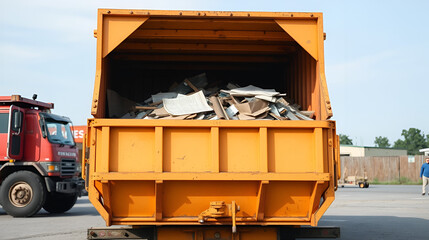
A roll off dumpster is a large open top waste container designed for temporary use during projects that generate substantial amounts of debris. These containers are delivered by specialized trucks and placed at a designated location such as a driveway, construction site, or commercial property.
The name roll off comes from the delivery process. The dumpster is transported on the back of a truck and rolled off onto the ground at the chosen location. When the container is full or the project is complete, the truck returns to pick it up and transport the waste to a disposal or recycling facility.
Roll off dumpsters are commonly used for construction work, remodeling projects, large cleanouts, landscaping jobs, and demolition activities. Their large capacity allows them to hold materials that would otherwise require multiple trips to disposal facilities.
Because they are temporary containers, roll off dumpsters provide flexibility for projects that produce waste over several days or weeks. This convenience makes them a popular choice for both residential and commercial waste management needs.
When a Roll Off Dumpster Is Most Useful
Roll off dumpsters are particularly useful during projects that generate large quantities of waste. Home renovations often produce materials such as drywall, wood, tiles, and cabinetry that must be removed from the property.
Roof replacement projects also benefit from roll off dumpsters. Old shingles, underlayment, and damaged roofing materials can accumulate quickly during the removal process. Having a nearby dumpster allows contractors to dispose of materials immediately.
Large home cleanouts are another common use for roll off dumpsters. When clearing out an attic, basement, or garage, homeowners often discover old furniture, broken appliances, and unused items that need to be discarded.
Construction and demolition projects generate even greater volumes of debris. Materials such as concrete, metal, and wood can quickly fill smaller containers, making large roll off dumpsters an efficient solution.
Landscaping work may also require a dumpster when removing soil, branches, and other yard waste. A roll off dumpster keeps the work area clean and prevents debris from spreading across the property.
In each of these situations, the ability to collect waste in a single container simplifies cleanup and keeps the project organized.
Understanding Roll Off Dumpster Sizes
Roll off dumpsters are available in a variety of sizes to accommodate different types of projects. Choosing the right size helps ensure that the container can handle the amount of waste generated.
Smaller roll off dumpsters are often used for minor home projects such as garage cleanouts or small remodeling tasks. These containers fit easily in residential driveways while still providing ample space for debris.
Medium sized dumpsters are commonly used for projects such as kitchen renovations, flooring removal, or roofing work. These projects produce more waste and require a container with greater capacity.
Larger roll off dumpsters are typically used for major construction or demolition projects. These containers are designed to handle heavy materials and large volumes of debris.
Selecting the correct size is important for maintaining efficiency during the project. A container that is too small may fill quickly and require additional pickups, while a container that is too large may occupy unnecessary space.
Understanding the scope of the project helps determine which dumpster size will provide the most practical solution.
Materials That Can Be Placed in a Roll Off Dumpster
Roll off dumpsters are designed to handle many types of waste generated during construction, renovation, and cleanup projects. Common materials include wood, drywall, flooring, furniture, and general household debris.
Construction materials such as shingles, insulation, and metal components are also commonly disposed of in roll off dumpsters. Landscaping debris such as branches, soil, and old fencing may also be accepted depending on disposal guidelines.
However, certain items are typically restricted due to environmental and safety concerns. Hazardous chemicals, flammable substances, and certain electronic components often require specialized disposal methods.
Items such as batteries, paint, and certain appliances may also have restrictions depending on waste management regulations. Understanding what materials are allowed ensures that waste can be handled responsibly and processed correctly.
Proper disposal practices protect both the environment and the efficiency of waste management systems.
The Roll Off Dumpster Rental Process
Renting a roll off dumpster typically begins with determining the appropriate container size and scheduling delivery. Once the order is placed, the dumpster is transported to the property and positioned in a convenient location.
The placement area should be easily accessible and provide enough space for the delivery truck to safely unload the container. Driveways, parking areas, or open sections of a worksite are common placement locations.
Once the dumpster is delivered, it can be filled gradually throughout the project. The open top design allows materials to be easily tossed inside, and the large capacity ensures that significant amounts of debris can be collected.
Most rentals allow a specific time period for the container to remain on site. This gives homeowners or contractors the flexibility to complete their work without rushing the cleanup process.
When the container is full or the project is finished, the dumpster is collected and transported to a disposal facility. The waste is then sorted and processed according to local waste management regulations.
This simple process makes roll off dumpsters a practical solution for handling large scale debris removal.
Advantages of Using a Roll Off Dumpster
One of the primary benefits of using a roll off dumpster is convenience. Instead of transporting waste in small loads, all debris can be placed directly into a single container.
Efficiency is another advantage. Workers can dispose of materials immediately rather than piling debris in different areas of the site. This keeps the workspace clean and organized.
Safety is also improved when waste is managed properly. Construction debris scattered around a property can create tripping hazards and unsafe working conditions. A roll off dumpster provides a central location for safe disposal.
Roll off dumpsters also support environmentally responsible waste management. Many disposal facilities separate recyclable materials from general waste, reducing the amount sent to landfills.
Additionally, using a dumpster helps keep projects on schedule. Efficient waste removal allows workers to focus on completing tasks rather than worrying about debris accumulation.
Tips for Using a Roll Off Dumpster Efficiently
Planning ahead can make the use of a roll off dumpster much more effective. Estimating the volume of waste produced during a project helps ensure that the correct container size is selected.
Preparing the placement area before delivery also helps the process go smoothly. Clearing obstacles from the chosen location allows the truck to position the container safely.
Loading the dumpster evenly helps maximize available space. Breaking down large items such as furniture or boxes allows more debris to fit inside the container.
Keeping prohibited items out of the dumpster prevents disposal issues and ensures that waste can be processed properly.
Following these simple practices helps maintain an organized work environment and ensures that the dumpster can be used to its full capacity.
Conclusion: Why Roll Off Dumpsters Are Essential for Large Cleanup Projects
Roll off dumpsters provide an efficient and convenient solution for managing large amounts of waste during construction, renovation, and cleanup projects. Their large capacity and easy accessibility allow debris to be collected in one central location.
By selecting the appropriate dumpster size, understanding disposal guidelines, and planning the project carefully, homeowners and contractors can simplify waste management significantly.
Whether clearing out unwanted household items or handling construction debris, roll off dumpsters help maintain a clean and organized workspace. With proper planning and responsible use, they become an essential tool for completing projects efficiently while ensuring waste is handled safely and responsibly.